Ultrasound-Guided Injections

Diagnosis and Treatment

Dr Ameer Ibrahim uses ultrasound to accurately diagnose and treat musculoskeletal conditions. This safe, non-invasive imaging tool allows him to see tendons, joints, bursae, and muscles in real time, helping pinpoint issues such as tendon injuries, inflammation, fractures, bursitis, fluid buildup, or neuromas.

Ultrasound also guides precise injections, improving treatment effectiveness. Common ultrasound-guided treatments include:

With ultrasound, both small and large joints can be assessed and treated on the same day, ensuring accurate, effective care for chronic pain and injuries.
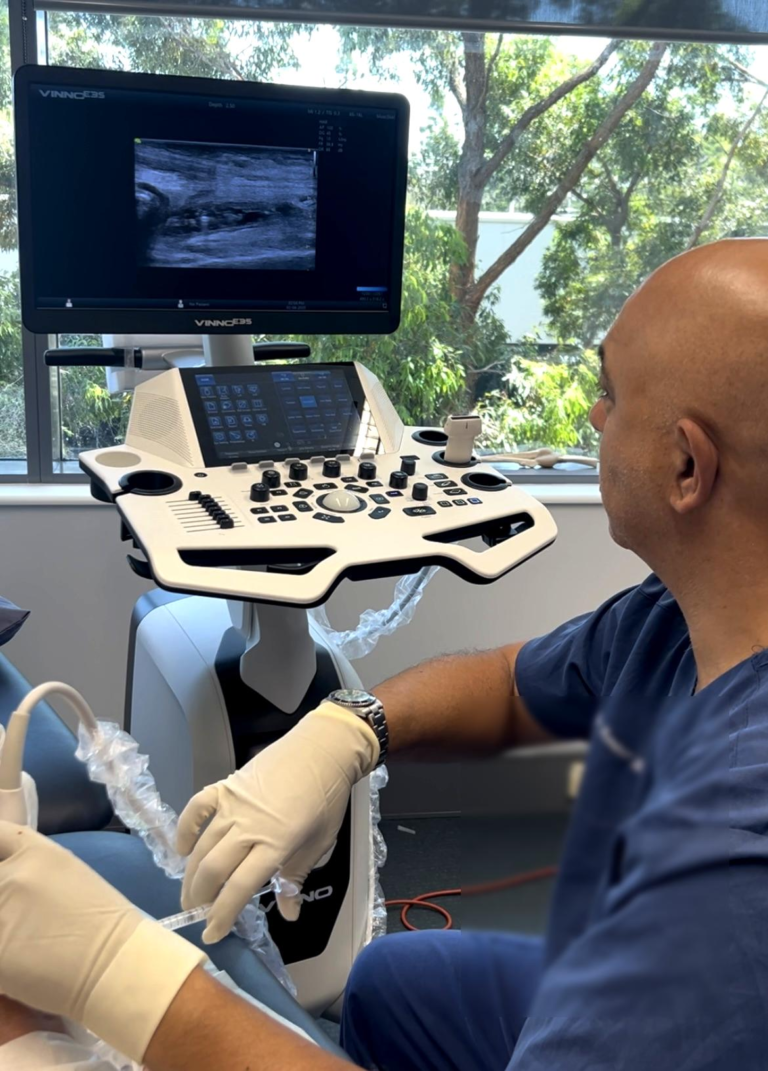
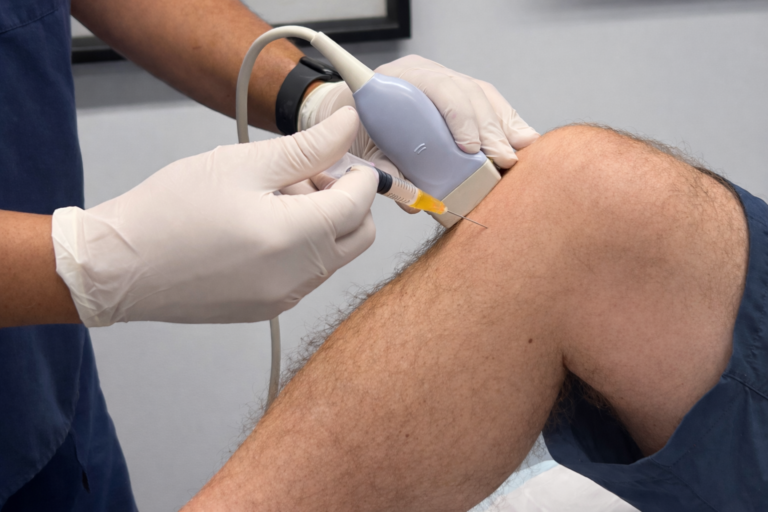
Ultrasound Guided Injection - Knee
Ultrasound Guided Injection

Articles

“Runner’s Trots”: The Real Medical Reason Endurance Athletes Sometimes Lose Bowel Control

If you're considering PRP for knee osteoarthritis, two of the biggest questions are how many injections are needed and how long the results may last. Recent research provides useful insight into both, with many clinical trials using a short course of 2–3 injections rather than a single treatment. Our latest evidence update looks at the durability of PRP, how platelet concentration may influence the length of benefit, and when a repeat course may be considered for patients who respond well.

PRP for Knee Osteoarthritis: How Many Injections Do You Need, and How Long Does Relief Last?

If you're considering PRP for knee osteoarthritis, two of the biggest questions are how many injections are needed and how long the results may last. Recent research provides useful insight into both, with many clinical trials using a short course of 2–3 injections rather than a single treatment. Our latest evidence update looks at the durability of PRP, how platelet concentration may influence the length of benefit, and when a repeat course may be considered for patients who respond well.

Rotator Cuff Tendinopathy and PRP: Modest but Durable Benefit

Rotator cuff tendinopathy and partial-thickness tears are common causes of persistent shoulder pain, particularly when symptoms don't settle with rehabilitation alone. Research into PRP is growing, with recent trials suggesting its benefits may be modest but more durable over time compared with corticosteroid injections. Our latest evidence update explores the shoulder-specific research, including partial-thickness tears, injection technique and why precise targeting and a structured strengthening program remain important when considering PRP.