
Platelet-Rich Plasma (PRP) injections are a non-surgical treatment that uses your own blood to help heal chronic injuries to joints, tendons, ligaments, and muscles. By concentrating platelets-cells rich in growth factors-PRP stimulates the body’s natural healing process, promoting tissue regeneration and reducing pain.
PRP is prepared from a small blood sample taken during your appointment. Using a TGA-approved device, the platelets are concentrated and injected into the injured area. At our clinics, we use the Alocuro system, which can produce highly concentrated, “pure” PRP tailored for joint or tendon injuries.
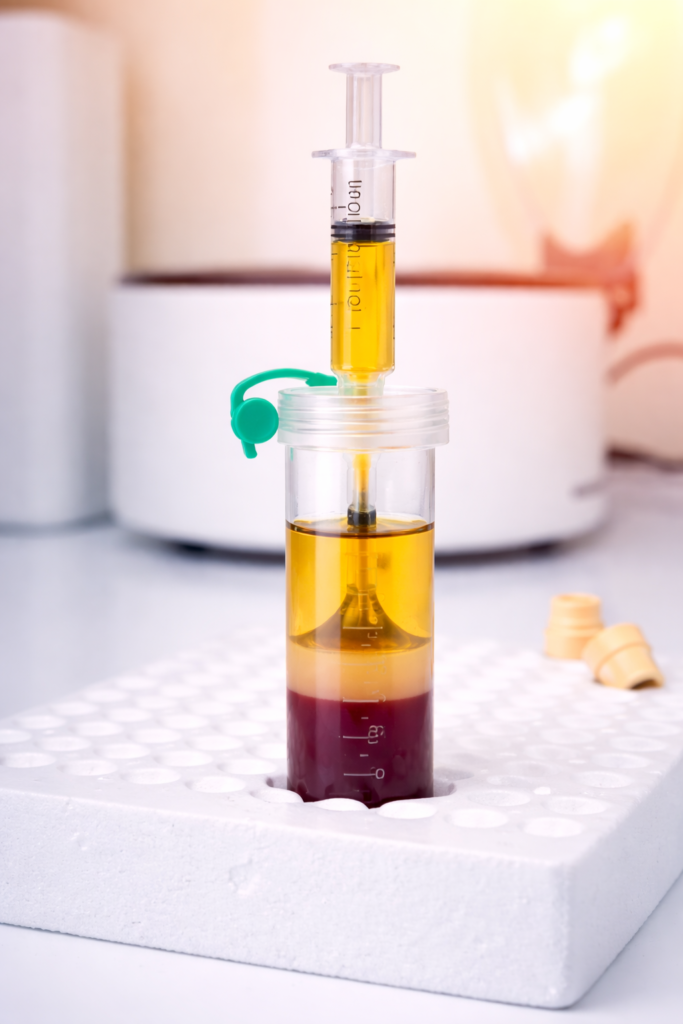
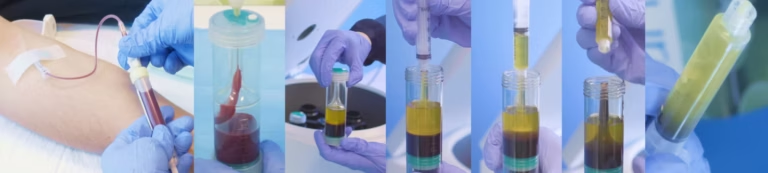
PRP offers a promising alternative to surgery and long-term medications, helping patients recover faster and get back to the activities they love.
For more details, including a step-by-step guide and research, visit www.prpinjection.com.au.
Frequently Asked Questions
Common Injuries Treated:
- Tendons: Tennis elbow, golfer’s elbow, jumper’s knee, Achilles, plantar fascia, hamstring, adductor, gluteal.
- Muscles: Hamstring, calf, quadriceps.
- Joints: Knee or hip osteoarthritis, knee ligament tears, trochanteric bursitis.
Procedure & Aftercare:
- The procedure takes 30–45 minutes and is performed in-clinic.
- You may experience mild soreness for a few days. Avoid NSAIDs (like ibuprofen) for 10–14 days.
- Improvement usually occurs gradually over weeks; tendon tears may fully heal, while joint injections may need a yearly top-up.
- Most patients can return to light activity soon after treatment, with guidance from Dr Ibrahim.
Important Considerations:
- Blood thinners and some anti-inflammatory medications may need to be paused before treatment.
- PRP is safe, using your own blood, but minor risks include infection, nerve injury, or tissue irritation.
What medications don't work well with PRP?
Please notify Dr Ibrahim, if you take:
- Coumadin
- Heparin
- Lovenox
- Warfarin
- Pradaxa
- Debigatran
- Orgaran
- Innohep
- Fragmin
- Argatroban
- Plavix
- Effient
- Prasugrel
- ReoPro
- Ticlid
- Trental
- Persantine
Or any other blood thinner medication. This medication must be discontinued prior to an injection and requires permission from the provider prescribing it.
In addition please inform Dr Ibrahim if you take aspirin or any aspirin related products, and all non-steroidal medications (e.g. Motrin, Advil, Naprosyn, Naproxen, Aleve, Indocin, Lodine, Orudis, Relafen, Daypro, Tolectin, Mobic, Torodol, Voltaren, Trilisate, Dolobid, Arthrotec, Ibuprofen, Diclofenac and Clinoril).
“Runner’s Trots”: The Real Medical Reason Endurance Athletes Sometimes Lose Bowel Control