
CINGAL® Hyaluronic Acid Injections for Knee Osteoarthritis
CINGAL® is a single-injection treatment designed to relieve pain and improve joint function in patients with knee osteoarthritis (OA).
It combines a corticosteroid with a high-concentration, cross-linked hyaluronic acid to restore the cushioning and lubricating properties of the knee. This can help reduce pain for up to 6-9 months.
CINGAL® offers a safe, effective, and convenient option for managing knee osteoarthritis and improving quality of life without surgery.

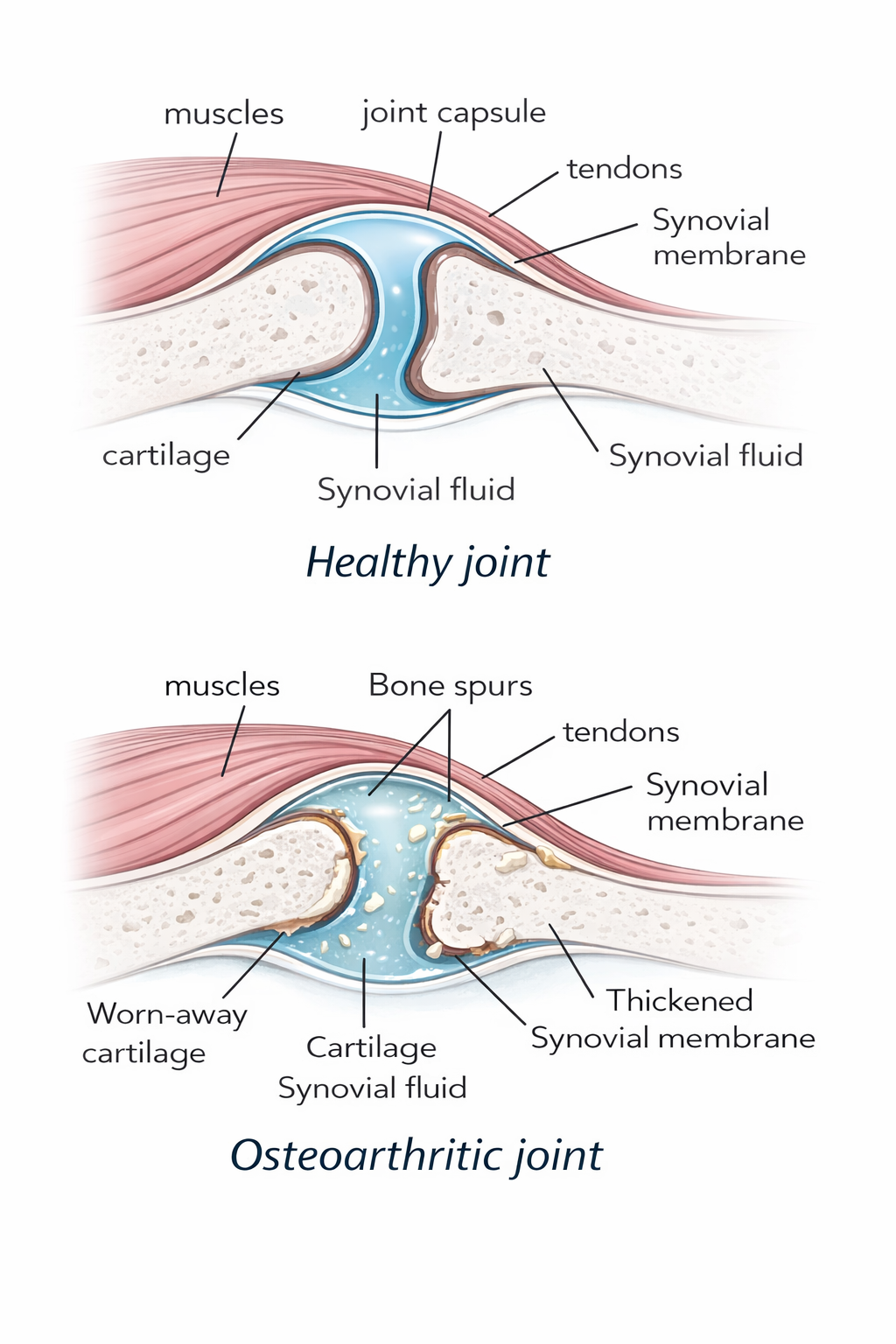
What is it used for?
Used in knee Osteoarthritis.
Arthritic knees tend to produce lower concentrations of hyaluronic acid which is used to lubricate the knee.
Without HA the knee is less shock absorbing and can be a cause of pain.
If you are not ready for surgery and over-the-counter and prescription pain medications no longer provide pain relief, talk to Dr Ibrahim about hyaluronic acid injections as an option for managing your knee pain.
Frequently Asked Questions
How long does it last for?
- Typically an injection of HA will last for 6-9 months.
- A recent study showed that repeated injections every 6 months for 2 years, followed by yearly injections is the best method to administer Cingal.
How it works:
- Arthritic knees produce less natural hyaluronic acid, reducing shock absorption and causing pain.
- CINGAL restores lubrication, improving movement and comfort.
Treatment details:
- Administered as a single injection under ultrasound guidance.
- Minimal pain; some may require a local anaesthetic.
- Patients can walk out and drive home afterwards.
- Pain relief can begin within 48 hours, with most patients noticing improvement within 1-2 weeks.
Safety & side effects:
- Minor side effects are rare and usually resolve naturally, including temporary injection site pain, swelling, or redness.
- Not suitable for patients with bleeding disorders, active joint or skin infections, or hypersensitivity to hyaluronic acid.
- Not recommended for pregnant or lactating women.
Cost & coverage:
- CINGAL is a private medication and not covered by Medicare.
- Some private health funds may provide rebates; our clinic can provide supporting letters.
“Runner’s Trots”: The Real Medical Reason Endurance Athletes Sometimes Lose Bowel Control